
Satoyama II: Japan's Secret Watergarden
Documentary
Japanese
Each home has a built in pool or water tank that lies partly inside, partly outside its’ walls… A continuous stream of spring water is piped right into a basin, so freshwater is always available. People rinse out pots in the tank and clean their freshly picked vegetables. If they simply pour the food scraps back in the water, they risk polluting the whole village supply. However, carp can scour out even the greasy or burnt pans. They do the washing up in Satoyama villages. This traditional arrangement is called the riverside method. It’s used all over Japan. Cleaned up by the carp, the tank water eventually rejoins the channel.
78%
UserScore
Stars

David Attenborough
Narrator
SafeShell VPN: How to Watch Streaming Services Securely Anywhere
Step 1
Step 2
Step 3
SafeShell VPN Support streaming service
Netflix
Disney+
Amazon Prime Video
Paramount+
Max
Hulu
discovery+
Tubi TV
YouTube TV
Apple TV
BritBox
Pluto TV
*A separate streaming subscription may be required
FAQ
Is using a VPN for streaming legal?
Using a VPN for streaming is not illegal, but you should follow each platform’s terms of service.For example, Netflix allows access only in regions where it’s licensed to stream content.Using a VPN to watch shows outside your licensed region may violate Netflix’s policy, though it’s not a crime.
With SafeShell VPN, you can securely access your streaming services while traveling, enjoy fast, private streaming, and stay compliant with content policies.
With SafeShell VPN, you can securely access your streaming services while traveling, enjoy fast, private streaming, and stay compliant with content policies.
How does a VPN affect streaming?
A VPN for streaming can actually improve your experience.Some Internet Service Providers (ISPs) may throttle your speed when they detect streaming traffic.With SafeShell VPN, your online activity is encrypted, so your ISP can’t slow down your connection.
It also lets you stream as if you were in another region, helping you access geo-restricted content and watch shows available only in specific countries — all with fast, private, and secure streaming.
It also lets you stream as if you were in another region, helping you access geo-restricted content and watch shows available only in specific countries — all with fast, private, and secure streaming.
How do l set up a VPN for streaming?
You can start streaming safely with SafeShell VPN in just three simple steps:
1. Download and install SafeShell VPN on your device, then sign up for an account.
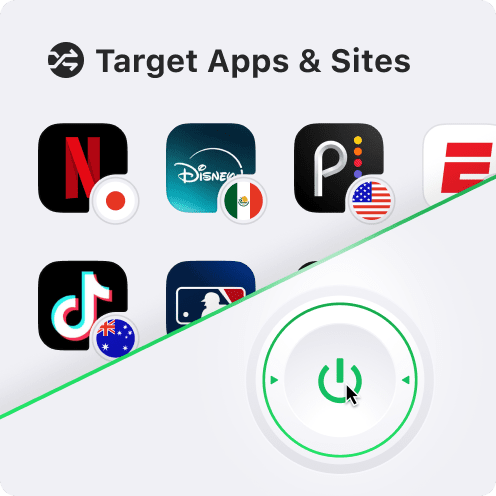
2. Connect to a streaming-optimized server in your preferred country.
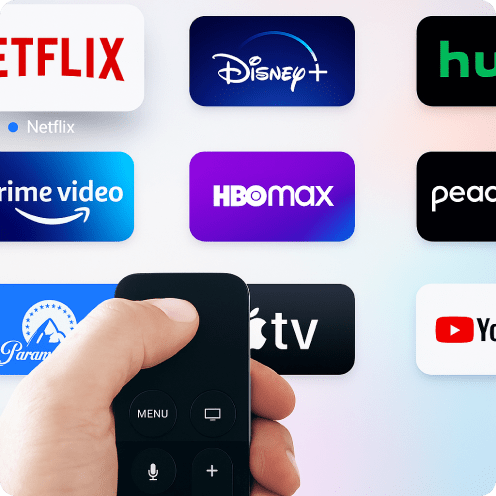
3. Open your streaming service, log in if needed, and enjoy your favorite shows securely from anywhere.
With SafeShell VPN, you get fast, private, and buffer-free streaming on all major platforms.
1. Download and install SafeShell VPN on your device, then sign up for an account.
2. Connect to a streaming-optimized server in your preferred country.
3. Open your streaming service, log in if needed, and enjoy your favorite shows securely from anywhere.
With SafeShell VPN, you get fast, private, and buffer-free streaming on all major platforms.
More Great Shows and Movies






Chat with us!
Feedback to us and we will get back to you as soon as possible.
 Join Our Telegram
Or Email Us: support@safeshellvpn.com
Sign in or Create Account
For Multi-Device Access
Windows
macOS
iOS
Android
Apple TV
Smart TV
Apple Vision
Sign In to Continue Subscription
Last Step to Get the Special Offer Now!
- Cross-platform compatibility across all platforms, up to 5 devices.
- Stable and seamless streaming unlocking experience, with ongoing updates to support apps and servers.
- Zero logs for maximizing privacy and data security protection.
Sign In Successful
Sign In Failed
Don't have an account?
Choose any method to create an account.

Sorry, no further details are available at the moment. Let us know if you need more!